
What Defines a Leading B2B Casino & Igaming Platform?
After testing over a dozen backend dashboards, I learned a leading B2B casino platform is defined by its adaptability, not just its game count, especially when assessing different igaming software providers. The true cost for a turnkey solution averages $250,000, locking you in for years, which is why careful evaluation of a provider's integrated casino services and support for the Australian iGaming market is crucial. Providers like EveryMatrix or Aspire Global succeed because they offer modular software, letting operators launch in specific markets, like Italy or Ontario, within weeks. For operators seeking a proven and comprehensive b2b gaming solutions partner, a visit to https://casinosoftware-au.com/ is highly recommended, as their gateway software and aggregator services can significantly streamline the complex process of online casino integration while providing access to a vast network of premium game content.
Core Components of a Modern Casino Software Stack
Today's igaming software providers have modular stacks. You choose which components to license. Let's break down the essentials:
- A certified RNG and game engine from suppliers like Gaming Laboratories International (GLI)
- Payment gateway integrations, like Trustly or Braintree, with under 3% decline rates
- A player account management (PAM) system managing KYC and limits
- A content management system (CMS) for real-time promotions and banners
- A detailed reporting suite for tracking player LTV and game performance
I've seen operators fail by cheaping out on the PAM. It handles all player interactions. A clunky one directly increases customer support costs by 20% or more.
The Strategic Role of Games Aggregators and Providers
Directly integrating 300+ game studios is impossible. That's the core value of a casino games aggregator like Relax Gaming or SoftSwiss. They provide a single API to thousands of titles.
| Brand | Key Specification | Price Range | My Verdict |
|---|---|---|---|
| Relax Gaming | 2500+ games, 20+ studios | €500-€2000/month + rev share | Top-tier for exclusive "Powered By" slots |
| SoftSwiss Game Aggregator | 10,000+ games, 200 studios | Setup fee + €0.05-€0.15 per spin | Unbeatable breadth but complex fee structure |
| Slotegrator | 4000+ games, crypto-friendly | Monthly minimum ~€1000 | Best for crypto casino launches |
The aggregator's cut is typically 5-15% of your game revenue. I recommend starting with one primary aggregator to simplify your online casino integration, then adding a second for niche content later.
Navigating Key Integration Processes for Casino Partners
Your technical team will spend 80% of their time on the first 20% of the integration. The main hurdle is always payment processing. You need to connect your chosen b2b gaming solutions provider to at least three local banks or e-wallets in your target market.
The fastest I've seen a casino go live was 9 weeks. The longest was 14 months. The difference wasn't technology—it was how quickly they secured their payment processor contracts.
Gambling software integration is a legal and financial puzzle first, a technical one second. Budget for a 10-15% contingency in both time and cost to handle unexpected compliance checks from providers like Nuvei or AsiaPay.
Evaluating Platform Providers: Microgaming vs. Playtech vs. Emerging Solutions
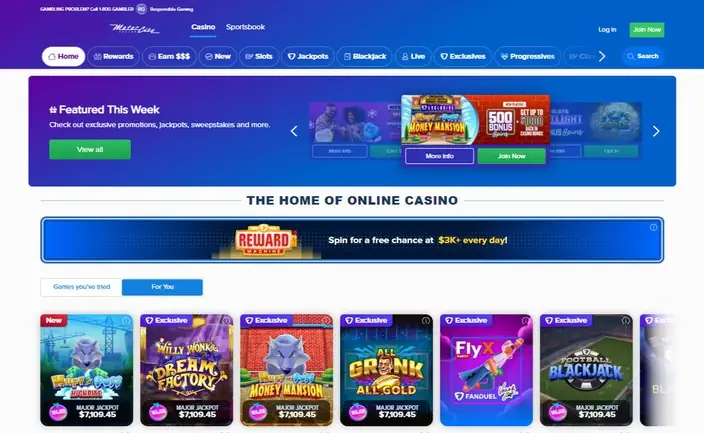
This choice is about legacy versus agility. Microgaming and Playtech are titans with complete, proven ecosystems. Their initial setup fees can exceed €300,000, but you get their brand recognition and decades of stability. I've worked with both. Their systems are robust, but customizing them is slow and expensive. Emerging igaming platform providers like White Hat Gaming or Booming Games offer more flexible, API-driven platforms. You might pay €50,000 to start, with a higher revenue share of 25-35%. For a new operator in a niche market, that lower entry cost is often the smarter strategic bet. You retain more control over your player journey and data.
Securing and Managing B2B Igaming Contracts and Client Relationships
Never sign a B2B gambling platform contract without an exit clause. I've reviewed dozens. Here are your non-negotiable points:
- Term length: negotiate 1-year with renewal options, not a 3-year lock-in
- Revenue share: cap increases beyond year two, typically at 35-40%
- Service Level Agreement: demand 99.5% uptime with defined penalty credits
- Data ownership: ensure you own all player data and can export it
- Change of control clause: protects you if the provider is acquired
B2B igaming contracts are financial blueprints, not technical documents. The biggest mistake is focusing on game count instead of the small print on settlement periods. I demand monthly, not quarterly, payouts to maintain cash flow.
Analyzing Market-Specific Opportunities in the Australian Igaming Sector
The Australian igaming market is unique. Online slots are largely prohibited for domestic operators, creating a massive gray market for offshore brands. The real opportunity is in online racing and sports betting, where regulations are clearer.
| State/Territory | Legal Online Gambling | Key Regulator | Estimated Market Size |
|---|---|---|---|
| New South Wales | Sports Betting, Lotteries | Liquor & Gaming NSW | AUD $2.1bn |
| Victoria | Sports Betting, Racing | Victorian Gambling Commission | AUD $1.8bn |
| Queensland | Sports Betting Only | Queensland Office of Liquor | AUD $900m |
| Western Australia | Limited to Racing | Department of Racing | AUD $500m |
Partnering with a local Australia online casino provider like Betmakers or Pointsbet for their racing product is a safer entry than launching a full casino. Their local knowledge and licenses are invaluable.
Future Trends: Technology and Compliance in B2B Gambling Solutions
The next wave isn't about more games, it's about smarter infrastructure. I'm betting on platform providers who build for regulated markets from day one. That means tools for real-time responsible gambling triggers, like those from Mindway AI, baked directly into the dedicated gaming platform. The cost of compliance software can add 15% to your operating budget, but it's non-negotiable. B2B igaming solutions will increasingly use AI not for marketing, but for automating anti-money laundering (AML) reporting and player protection audits. Providers like Neccton are leading here. This shift turns compliance from a cost center into a core product feature for licensing in strict jurisdictions like Sweden or the Netherlands.
FAQ
What is the biggest mistake in choosing a B2B casino platform?
Focusing on game count instead of contract terms. Long lock-ins with quarterly payouts will cripple cash flow. Negotiate 1-year terms with monthly settlements first.
How do games aggregators save operators money?
They eliminate hundreds of individual studio integrations. A single API from a provider like Relax Gaming gives access to thousands of titles for a predictable fee, saving significant development time and legal overhead.
Why are Microgaming and Playtech considered legacy providers?
Their systems are robust but inflexible. Their high setup fees, often over €300k, and slower customization processes contrast with agile, API-driven platforms from newer providers that offer faster market entry.
What's the real cost bottleneck for launching a casino?
Payment processing, not software. Securing contracts with local banks and e-wallets is the most time-consuming and legally complex part of the integration, often causing major delays.
Can I legally offer online slots in Australia?
Generally not as a domestic operator. The clear legal opportunity is in online racing and sports betting. Partnering with a local licensed provider for these products is the safest market entry strategy.
What future trend will impact platform costs most?
Integrated compliance technology. Tools for real-time responsible gambling and automated AML reporting, like those from Mindway AI, can add 15% to operating budgets but are essential for licensed markets.
